





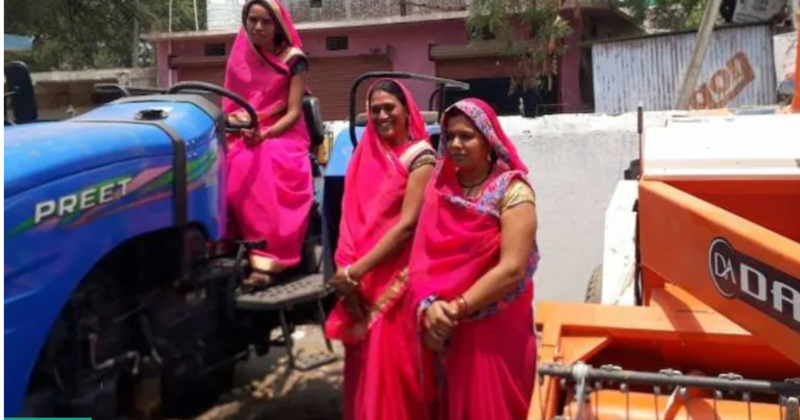
DODKA: In the Umaria district of Madhya Pradesh, Dodka village in Manpur has garnered widespread recognition across the state and country for its flourishing herbal soap industry. This seemingly simple commodity became the catalyst for a remarkable transformation, reshaping not just the local economy but also the fate of its people. Since 2017, a dedicated group within the village has been crafting these herbal soaps, propelling Dodka into newfound prominence. This initiative not only empowered the women of Dodka to achieve self-sufficiency but also bestowed upon them a distinct identity.
Utilising traditional knowledge and local resources, these women have embarked on a journey of entrepreneurship, producing herbal soaps enriched with Ayurvedic ingredients like glycerin and neem. This unique approach has not only met with local acclaim but has also resonated with consumers nationwide. The demand for Dodka’s herbal soaps extends beyond the district, captivating both domestic and international tourists.
Read More: Odisha: RSS human chain paves way for injured at Puri Jagannath Mandir; earns global appreciation
The success of Dodka’s herbal soap venture has been significantly aided by increased backing from the local administration. This support has played a crucial role in several key ways:
Access to New Markets: The administration’s assistance has helped the group in Dodka expand their market reach beyond the village and district levels. This access to broader markets has enabled them to cater to a larger customer base, including domestic and international tourists who appreciate the unique qualities of their herbal soaps.
Infrastructure and Resources: The administration’s support likely includes provision of infrastructure, such as improved facilities for soap production and marketing, as well as access to resources like training and networking opportunities. These resources are essential for scaling up production and maintaining consistent product quality.
Regulatory and Licensing Support: Government support often includes help with regulatory compliance and obtaining necessary licenses and certifications. This ensures that the herbal soaps meet industry standards and can be sold legally and confidently in various markets.
Due to increased support from the local administration, members of the Dodka group now earn around Rs 10,000 per month on average. This income boost is a big improvement for the village, where job opportunities were scarce before. The success of these women entrepreneurs not only helps them financially but also boosts Dodka’s economy as a whole. It shows how local initiatives can bring economic growth and better livelihoods to rural areas like Dodka.
Thanks to PM Modi’s leadership, government programs have greatly helped Dodka village’s herbal soap business in Umaria district, MP. These programs give money, help sell products, and teach skills, empowering women to succeed in soap-making. This support has turned Dodka into a successful place for making herbal soap, proving how government help and local business can work together for everyone’s benefit.
Dodka’s story underscores resilience and innovation, highlighting how these women have transformed their lives through dedication and entrepreneurial spirit. By leveraging traditional knowledge and local resources to create a sought-after product, they have not only improved their own livelihoods but also brought recognition to Dodka as a model of self-reliance and community-driven progress. Their journey with herbal soap production serves as an inspiring example of how grassroots initiatives can lead to sustainable economic growth and empowerment in rural communities.














Comments