





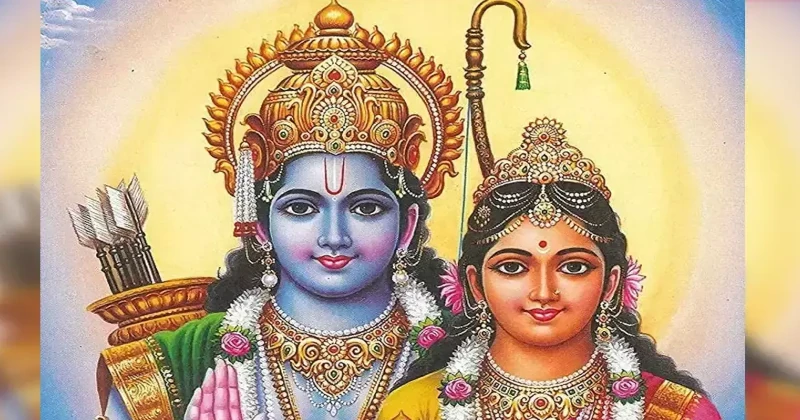
The Juna Shri Ram Mandir in the city was filled with devotion as Mata Janaki’s appearance Celebration was observed on Janaki Navami. Organised by the Vaidehi Seva Prakalp Sakhi, the event saw a large gathering of devotees who sang melodious bhajans in honor of Janak Nandini Sita Maiya. Pt Pankaj Mehta, the Vyas Peethadhish of Juna Ram Mandir, delivered an inspiring speech highlighting the divine qualities of Goddess Sita. Ramchandra Patidar from the Shri Sitaram Shiv Sankalp Sansthan conducted the worship of Maa Janaki, along with traditional land and agricultural equipment, including a plough.
A special feast of Mithilanchal dishes was prepared by Pt Mehta and offered to Janak Nandini, while the Mandir was adorned with festive decorations. The celebrations concluded with a communal dinner organized by the Vaidehi Seva Prakalp. A noteworthy moment was the release of the newly composed Maa Janaki Aarti by Maheshwar’s lyricist Harish Dubey. The ceremony was attended by prominent figures including Pt Pankaj Mehta, municipal council president Vishwadeep Moyde, educationist BK Upadhyay, Short Story Research Centre’s national coordinator Vijay Joshi Shitashun, and Brahmo Samaj president Chaitanya Patwari.
The aarti, sung by budding singer Jayanti Shruti of Sanavad and musically composed by Shubham Raghuvanshi of Khargone, received a warm reception from the Vaidehi Sakhis present at the event.
The celebration of Mata Janaki’s Appearance holds immense cultural and religious significance in India, particularly among followers of Hinduism. Mata Janaki, also known as Sita Maiya or Janaki, is revered as the epitome of feminine virtues, devotion, and strength. Her story, as depicted in the ancient Indian epic Ramayana, symbolizes the triumph of good over evil, righteousness over injustice, and love over adversity.
In India, the observance of Janaki Navami, which marks Mata Janaki’s appearance on Earth, is celebrated with great enthusiasm and devotion, especially in regions associated with the Ramayana’s narrative. Mandirs dedicated to Bhagwan Rama and Mata Sita witness a surge in pilgrims and devotees during this time, seeking blessings and offering prayers.
The celebration of Mata Janaki’s Appearance also resonates deeply with the agricultural heritage of India. The inclusion of traditional land and agricultural equipment in the worship rituals symbolizes the connection between the divine and the earthly, emphasising the importance of agriculture in sustaining life and livelihoods. Individuals from various walks of life unite in prayer, tradition, and shared meals, nurturing a collective spirit and fellowship. These festivities transcend divisions of caste, creed, and economic standing, championing inclusivity and mutual regard across diverse groups and communities.
In modern India, celebrating Mata Janaki’s appearance is about more than just religion and culture. It’s a reminder of the important qualities Mata Sita represents: kindness, strength, putting others before yourself, and staying devoted. These values are deeply understood in Indian society and still encourage people to do what’s right, be honest, and help each other.











Comments