What do we know and what do we need to know about Novel Coronavirus
December 10, 2025
  • Read Ecopy
  • Circulation
  • Advertise
  • Careers
  • About Us
  • Contact Us
Android AppiPhone AppArattai
Organiser
  • ‌
  • Bharat
    • Assam
    • Bihar
    • Chhattisgarh
    • Jharkhand
    • Maharashtra
    • View All States
  • World
    • Asia
    • Europe
    • North America
    • South America
    • Africa
    • Australia
  • Editorial
  • International
  • Opinion
  • RSS @ 100
  • More
    • Op Sindoor
    • Analysis
    • Sports
    • Defence
    • Politics
    • Business
    • Economy
    • Culture
    • Special Report
    • Sci & Tech
    • Entertainment
    • G20
    • Azadi Ka Amrit Mahotsav
    • Vocal4Local
    • Web Stories
    • Education
    • Employment
    • Books
    • Interviews
    • Travel
    • Law
    • Health
    • Obituary
  • Subscribe
    • Subscribe Print Edition
    • Subscribe Ecopy
    • Read Ecopy
  • ‌
  • Bharat
    • Assam
    • Bihar
    • Chhattisgarh
    • Jharkhand
    • Maharashtra
    • View All States
  • World
    • Asia
    • Europe
    • North America
    • South America
    • Africa
    • Australia
  • Editorial
  • International
  • Opinion
  • RSS @ 100
  • More
    • Op Sindoor
    • Analysis
    • Sports
    • Defence
    • Politics
    • Business
    • Economy
    • Culture
    • Special Report
    • Sci & Tech
    • Entertainment
    • G20
    • Azadi Ka Amrit Mahotsav
    • Vocal4Local
    • Web Stories
    • Education
    • Employment
    • Books
    • Interviews
    • Travel
    • Law
    • Health
    • Obituary
  • Subscribe
    • Subscribe Print Edition
    • Subscribe Ecopy
    • Read Ecopy
Organiser
  • Home
  • Bharat
  • World
  • Operation Sindoor
  • Editorial
  • Analysis
  • Opinion
  • Culture
  • Defence
  • International Edition
  • RSS @ 100
  • Magazine
  • Read Ecopy
Home Bharat

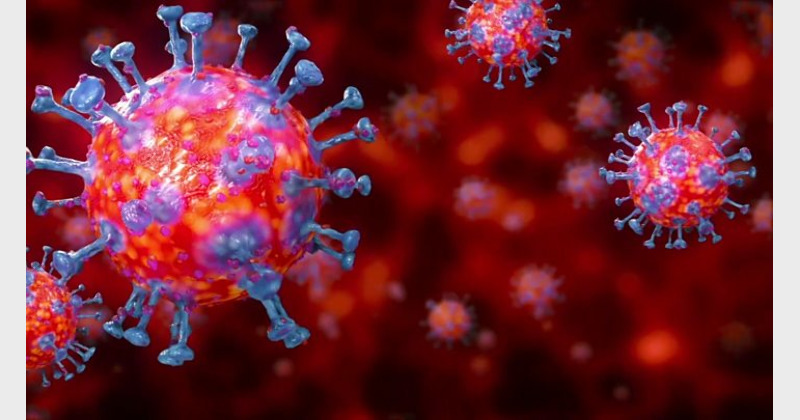
What do we know and what do we need to know about Novel Coronavirus

Many things about Novel Coronavirus are spreading rapidly through social media, WhatsApp and the Internet. Some of these could be true, but many of those pieces of information are baseless. At a time when the coronavirus epidemic is spreading across the world, it is important to know about some facts related to this deadly virus.

Archive ManagerArchive Manager
Mar 29, 2020, 01:21 am IST
in Bharat
Follow on Google News
FacebookTwitterWhatsAppTelegramEmail
 
a_1  H x W: 0 x
 
 
TV Venkateswaran
 
Many things about Novel Coronavirus are spreading rapidly through social media, WhatsApp and the Internet. Some of these could be true, but many of those pieces of information are baseless. At a time when the coronavirus epidemic is spreading across the world, it is important to know about some facts related to this deadly virus.
 
Infection: The virus infects the epithelial cells in the throat and lungs. SARS-CoV-2 binds to the ACE2 receptors on human cells, which are often found mostly in throats and lungs. Virus on your skin, lacking ACE2 expression, will be harmless. The virus enters through the by nasal passage, eyes and mouth. Our hands are the main instruments that take the virus to reach our mouth, nose and eyes. Washing hands with soap water for 20 seconds as often as possible helps prevent the infection.
 
Infectious dosage: A dose of 700000 PFU was needed to infect a Macaque. PFU (Plaque forming unit) is a unit of measurement of sample infectivity. Although the animal did not show any clinical symptoms, the droplets from the nose and the saliva had a viral load. Humans will need a higher dosage than 700000 PFU to get infected. An animal study on the genetically modified mice with ACE2 receptors showed that it could be infected with SARS with just 240 PFU. In comparison, it required 70,000 PFU of novel coronavirus to get infected.
 
Infectious period: Length of time an individual can transmit the infection to others is not known precisely, but possibly up to 10-14 days. Artificially reducing the contagious period is a crucial method of reducing overall transmission. Hospitalisation, isolation, lockdown and quarantine are all effective methods.
 
Who can infect: Anyone infected with the virus can infect even before the symptoms appear. Most carriers do not even show signs. Covering our mouth and nose when we cough or sneeze will help reduce the infection. The virus is present in the saliva, sputum and faeces of the infected person for the whole infectious period.
 
How we infect: Transmission is mostly via droplets. This requires relatively close contact, less than 6 feet. This is why it is recommended that we stay 1.5 metres away from each other in public places such as the vegetable market or supermarket. A study done in Hong Kong shows that social distancing can reduce the spread by 44%. Inanimate vector of disease, in particular phones, doorknobs, surfaces are a potential source for transmission, but not much is known about it. It is safe sanitise out hands after touching doorknobs, lift call buttons and counters in public places.
 
How many we infect: The average number of new infections caused by a typical infectious person, that is human transmissibility range (R0) is between 2.2 to 3.1. In simple word, one infected individual on the average infects about 2.2 to 3.1 persons. By physical distancing, we can artificially reduce the actual transmissibility, thus slow the rate of infection.
 
Where did the virus come from: It is not from eating bat soup. Once you boil, the virus is decimated. Initially, it was speculated that the SARS-CoV-2 virus jumped from bat to humans. But recent genomes study show first it must have leapt from bat to an intermediary species before it latched on to humans. Another study indicates that a lineage of SARS-CoV-2 virus was circulating in humans before the disease outbreak.
 
How it evolved: SARS-CoV-2 has emerged either by natural selection of virulent strain in a non-human animal host before zoonotic transfer to humans or natural selection of virulent strain in humans following a zoonotic transmission. Only more studies will show which of the two is right. We still are not clear what are the mutations in SARS-CoV-2 that allowed human infection and transmission.
 
When did SARS-CoV2 emerge: While here have been no documented cases of SARS-CoV2 before December 2019. However, preliminary genomic analyses suggest that the first human cases of SARS-CoV-2 appeared between mid-October and mid-December 2019. This means there was a period of unrecognised transmission in humans between the primary zoonotic event and the outbreak.
 
Can it infect animals: The molecular modelling suggests that SARS-CoV-2 can affect besides human, bat, civet, monkey and swine cells. Does not infect domestic animals or livestock. Consuming eggs or poultry will not result in SARS-CoV-2 infection.
 
Can one be infected twice: Once we get measles, most of us acquire life long immunity. We hardly get measles again. Experimentally infected macaques were not capable of being reinfected. Likewise, there is no evidence of reinfection with SARS-CoV-2 after recovery in humans. However, how long the immunity will last is unknown.
 
How severe is the illness: COVID-19 is not a death sentence. The majority of COVID-19 cases are mild (81%), About 15% need hospitalisation and 5% require critical care. That is the vast majority of the infected will not even need hospitalisation.
 
Who are the most vulnerable: Healthcare workers are most susceptible. About 20% of healthcare workers in Lombardy, Italy becoming infected while providing medical care to patients.
 
Among the general public, aged, in particular above 60 years of age and people with prior cardiovascular disease, hypertension, diabetes, and respiratory conditions have a higher risk.
 
What is the cause of the death: Most of the deaths is caused by respiratory failure or respiratory failure combined with heart damage. Leakage of fluid into the lungs, which inhibits respiration and leads to morbidity, is the primary clinical condition. At present, the treatment for COVID-19 is primarily supportive care, including ventilation if necessary. Several therapeutic trials are ongoing, and the results are awaited.
 
Are the virus transmitted by milk sachets, or newspapers: SARS-CoV-2 can persist on plastic and stainless steel surfaces for up to 3 days. When the viral load was 10000 PFU, it lasted on newspaper and cotton cloth only for 5 minutes. Washing the milk sachets is adequate to remove the virus.
 
Will it spread through the air: In the air, the virus can survive only up to 2.7 hours. Therefore being in open spaces such as a balcony, the terrace is no harm.
 
Is there a less virulent strain: While many strains are being identified, studies so far have not indicated any mutations that are linked to any changes in transmission or disease severity.
 
Will, the onset of summer or rainy season, gives respite: No strong evidence exists showing a reduction in transmission with the seasonal increase in temperature and humidity. (India Science Wire)
 
{The author is a senior scientist in Vigyan Prasar. This article is based on various research findings.}

ShareTweetSendShareSend
✮ Subscribe Organiser YouTube Channel. ✮
✮ Join Organiser's WhatsApp channel for Nationalist views beyond the news. ✮
Previous News

How WHO and its Chief compromised war against Chinese Virus which has left more than 28,000 dead

Next News

Brave India Leadsfrom the Front

Related News

US President Donald Trump

Rice exporters brush off Trump tariff threat; POTUS eyes Rs 1 lakh crore India investment despite ‘dead economy’ remark

Representative Image

AI-based weather forecasting, Kisan e-Mitra & pest surveillance are strengthening Indian climate ready farming system

Odisha Chief Minister Mohan Majhi in the Assembly

Vande Mataram is not just a song; it is soul of Bharat: Odisha CM as state assembly passes special resolution

(Left) Microsoft Chairman and CEO Satya Nadella (Right) PM Narendra Modi

Microsoft announces $17.5 billion AI investment in India; Nadella meets PM Modi

Delhi Car Blast Case: NIA arrests Dr Bilal Naseer Malla

Delhi Car Blast Case: NIA arrests Dr Bilal Naseer Malla, 8th accused alleged for harbouring deceased bomber

Bihar Chief Minister Nitish Kumar with deputy CMs Samrat Choudhary and Vijay Kumar Sinha, Image courtesy- Prabhat Khabar

Bihar: Cabinet gives nod to creation of 3 additional departments to meet ‘1 crore jobs and employment’ target

Load More

Comments

The comments posted here/below/in the given space are not on behalf of Organiser. The person posting the comment will be in sole ownership of its responsibility. According to the central government's IT rules, obscene or offensive statement made against a person, religion, community or nation is a punishable offense, and legal action would be taken against people who indulge in such activities.

Latest News

US President Donald Trump

Rice exporters brush off Trump tariff threat; POTUS eyes Rs 1 lakh crore India investment despite ‘dead economy’ remark

Representative Image

AI-based weather forecasting, Kisan e-Mitra & pest surveillance are strengthening Indian climate ready farming system

Odisha Chief Minister Mohan Majhi in the Assembly

Vande Mataram is not just a song; it is soul of Bharat: Odisha CM as state assembly passes special resolution

(Left) Microsoft Chairman and CEO Satya Nadella (Right) PM Narendra Modi

Microsoft announces $17.5 billion AI investment in India; Nadella meets PM Modi

Delhi Car Blast Case: NIA arrests Dr Bilal Naseer Malla

Delhi Car Blast Case: NIA arrests Dr Bilal Naseer Malla, 8th accused alleged for harbouring deceased bomber

Bihar Chief Minister Nitish Kumar with deputy CMs Samrat Choudhary and Vijay Kumar Sinha, Image courtesy- Prabhat Khabar

Bihar: Cabinet gives nod to creation of 3 additional departments to meet ‘1 crore jobs and employment’ target

Delhi court issues notice to Sonia Gandhi in alleged voter forgery case

Sonia Gandhi 1980 Electoral Roll Case: Delhi Court issues notice to Congress leader; Sabit Patra alleges forgery

International Human Right Day | Hindus missing in human rights discourse: Here are the 10 proofs

Representative Image

India advocates for the sovereignty & territorial integrity of Afghanistan amid border clash escalated by Pakistan

CM Himanta Biswa Sarma ceremonially distributed the sanction letters to 3,25,234 beneficiaries under the PMAY-G

Assam: Hassle-free transfer of government welfare schemes to beneficiaries; 3,25,234 families gets PMAY pucca house

Load More
  • Privacy
  • Terms
  • Cookie Policy
  • Refund and Cancellation
  • Delivery and Shipping

© Bharat Prakashan (Delhi) Limited.
Tech-enabled by Ananthapuri Technologies

  • Home
  • Search Organiser
  • Bharat
    • Assam
    • Bihar
    • Chhattisgarh
    • Jharkhand
    • Maharashtra
    • View All States
  • World
    • Asia
    • Africa
    • North America
    • South America
    • Europe
    • Australia
  • Editorial
  • Operation Sindoor
  • Opinion
  • Analysis
  • Defence
  • Culture
  • Sports
  • Business
  • RSS @ 100
  • Entertainment
  • More ..
    • Sci & Tech
    • Vocal4Local
    • Special Report
    • Education
    • Employment
    • Books
    • Interviews
    • Travel
    • Health
    • Politics
    • Law
    • Economy
    • Obituary
  • Subscribe Magazine
  • Read Ecopy
  • Advertise
  • Circulation
  • Careers
  • About Us
  • Contact Us
  • Policies & Terms
    • Privacy Policy
    • Cookie Policy
    • Refund and Cancellation
    • Terms of Use

© Bharat Prakashan (Delhi) Limited.
Tech-enabled by Ananthapuri Technologies