





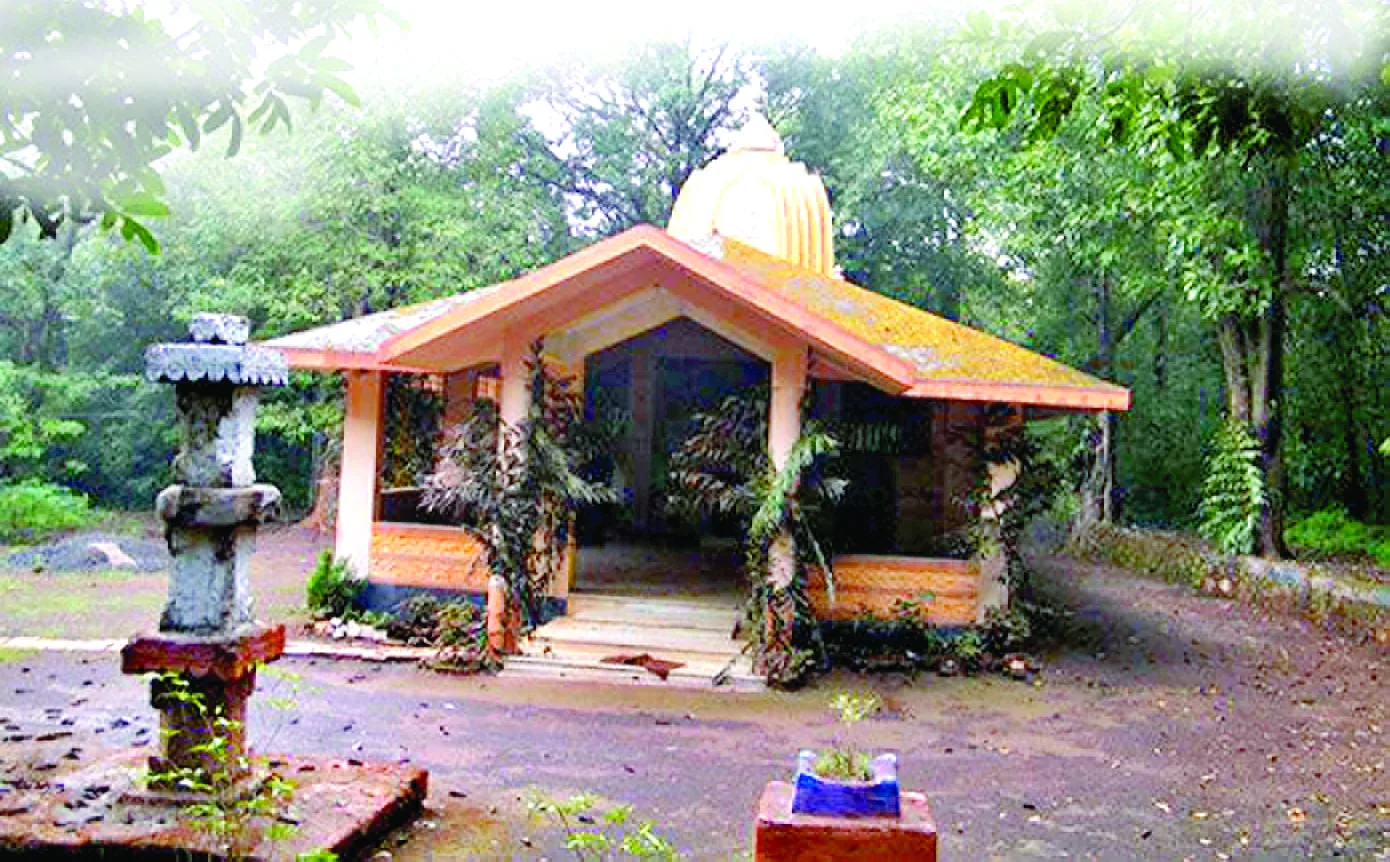
Tucked away in the lush hills of Amba near Ratnagiri, Maharashtra, Ambeshwar Devrai is a living testament to the harmony between nature and spirituality. This sacred grove—locally known as a Devrai—represents an age-old tradition where forest land is dedicated to a deity and preserved as a divine realm. It is home to the ancient Ambeshwar Temple, modest in architecture but profound in presence. Though simple—a square layout with a garbhagriha (sanctum) and mandapa (hall)—the temple houses a shivling and several other deities, nestled in a dark, cool chamber that radiates a deep spiritual calm.
What makes Ambeshwar Devrai truly remarkable is its role in sustainable environmental conservation. Devrai are traditional ecological sanctuaries where cutting trees or disturbing the ecosystem is forbidden out of reverence. This cultural practice has naturally preserved rare flora and fauna, allowing biodiversity to flourish without formal intervention. Statues of local gods and goddesses, as well as virgal—memorial stones honouring fallen warriors—dot the forest, deepening its cultural and historical significance.
Ambeshwar Devrai is not just a spiritual destination but also a model of indigenous sustainability. It shows how local belief systems can become powerful tools for environmental protection. Unlike many modern conservation efforts, which rely on policy and enforcement, Devrai thrive on collective respect and inherited wisdom.
Walking through Ambeshwar Devrai, one feels the timeless silence of the forest—interrupted only by rustling leaves and bird calls. It’s a place that invites reflection, reverence, and a renewed respect
for the earth. In preserving faith, the people of Amba have also preserved the forest—making Ambeshwar Devrai a true sanctuary for both soul and soil.















Comments