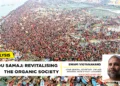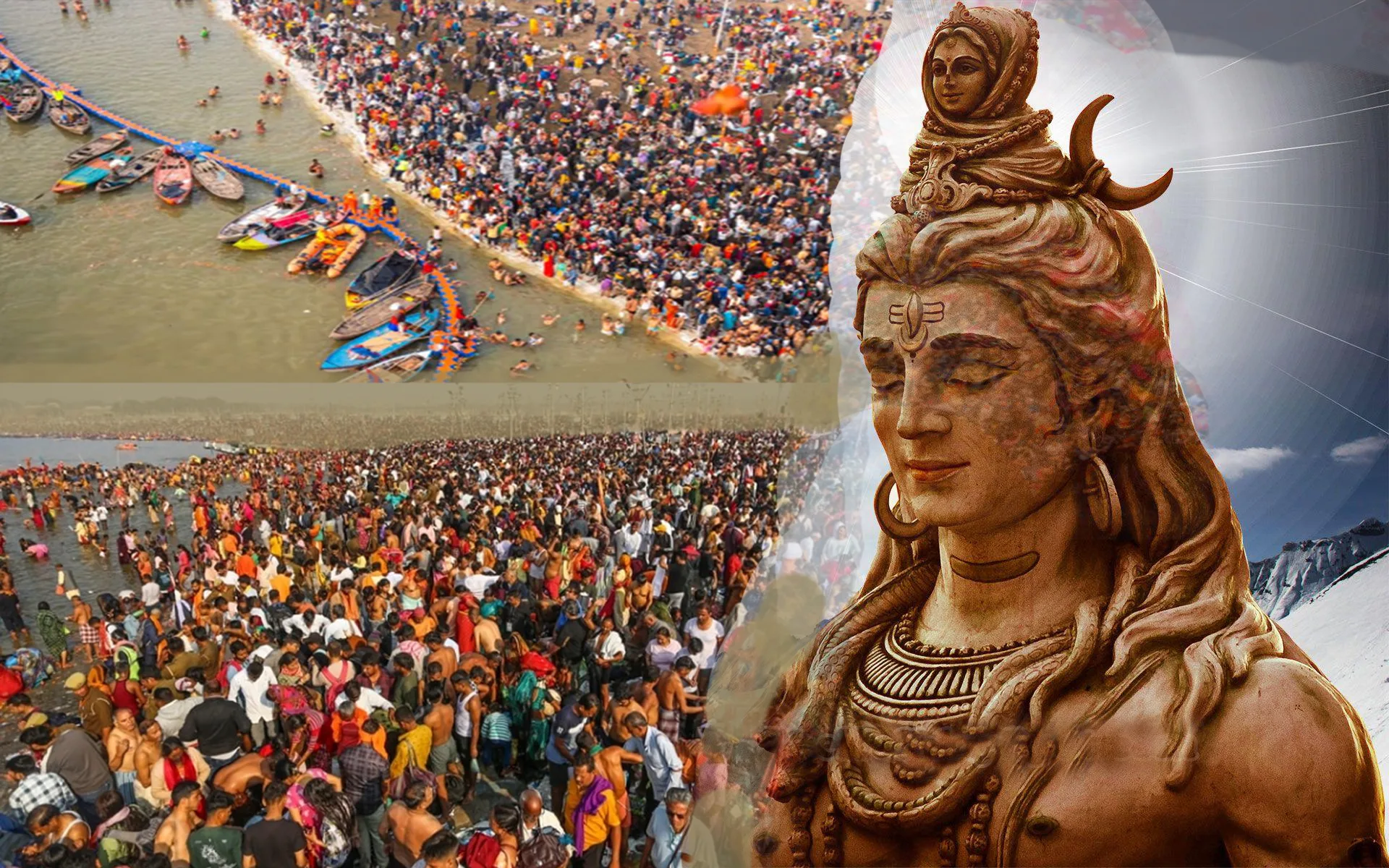
The grand Maha Kumbh 2025 at Prayagraj that has occurred after the wondrous astronomical calculations after 144 years is coming to its conclusion on February 26. The day will host the antim (finale) Amrit Snan for devotees on Mahashivratri, the day of the union of Shiva (consciousness) with the Shakti (energy) Tattva representing the harmony of all creation. This is a day to experience oneness with both the Shiva and Shakti elements in us as both these elements are present in each one.
The other dimension of this Mahashivratri is the culmination of Maha Kumbh. The hustle and bustle of constant influx of devotees for the past 40-45 days will wind down at Prayagraj.

Kumbh is an astronomical event which occurs every six years (Arddha Kumbh), 12 years (Poorna Kumbh), and after 12 cycles i.e. 144 years (Maha Kumbh) as the positions of certain planets changes. Jupiter or Brihaspati is the biggest planet in the solar system, hence also called Guru. It has great importance in astrology. This year, Jupiter and Sun are coming together in alignment after 144 years. Jupiter is entering Aquarius (Kumbh Rashi) along with alignment with the Sun and Moon. This unique phenomenon results in what we call as Kumbh. The alignment of these planets is believed to create a powerful cosmic moment that enhances the spiritual potency of rituals performed at Kumbh Mela. So there is a whole lot of science going on behind it. Scientists are also using this opportunity to do research on lot of these issues.
In the solar system, most of the planetary orbits are elliptical and not round. We know that all planets revolve around the sun. As they revolve, they come nearer to or farther than each other and the sun resulting in distinctive planetary positions in the solar system. The relation of sun with all planets is crucial in these observances. Hence, it is called Amrit Kaal as it is the worship of Sun, the giver of life.
The location of Kumbh also depends on astronomical calculations. What we call Indian Standard Time (IST), that longitudinal timeframe is connected to this sacred place. Therefore, Prayagraj holds a significant importance. Just as latitudinally, tropic of cancer goes through Ujjain, which is also very important as per astronomical calculation.
Astronomically, the importance of Makar Sankranti is also immense. Paush Pournima from when the Amrit Snan began, will continue till Magh Maas. It is the month of Makar Sankraman, which is extremely important in our Kaal Ganana. That is why, in many parts of the country, Sun is worshipped during Uttarayan, as now Sun will now increasingly shower its optimum energy on us due to the longer day and shorter night.
Social Importance
One witnesses absolute fraternity on visit to Kumbh. There is no sign of caste, creed, religion, state, language, social status, inclinations or any other area of discrimination one may think of. All limitations are surpassed for Kumbh. The whole Hindu community including Buddhists, Jains, Sikhs and all other Bharatvanshis come together forgetting differences, if any. People exchanging pleasantries, commuting without hassles, having food without botherations, helping each other by going out of the way is a common sight. It is a social festival. Therefore, Samajikta holds a big importance in Kumbh.
Despite travelling on foot for numerous kilometers, or being stuck in traffic due to the excessively large number of co-travellers, one will hardly see a frowny face. The smile of satisfaction, contentment, of having been able to make it with parents, elderlies as it is a once in a lifetime opportunity. People, especially women, walk bare foot because Ganga Maiya is the mother of all. How can we go to meet her in footwear? The pure sight of devotion is overwhelming. Three generations taking the holy dip, with grandchildren in grandfather’s arms and grandfathers in sons’ arms. The sheer solace is incomprehensible and unimaginable to an outsider.
It is not a congregation of Bharatiyas alone. Due to the media coverage, it has reached far and wide and people from various countries have been visiting the sacred city in curiosity and anticipation of unravelling the mysteries of life with utmost devotion. It has become a festival of the world. The word Mela, in true sense, means the coming together of minds and hearts. People from these countries will bring their culture, there will be myriad traditions, civilisations, clothings, food habits, which everyone will see, try to understand, and interact. Therefore, it holds an immense social importance as the Kumbh brings all people together under one umbrella to experience the feeling of oneness.
Dharmik Importance
The saga of Samudra Manthan is not just Puranic. In reality, there is a whole lot of Dharmik importance to this lore. By Dharmik importance, it means it is an opportunity to connect with the divinity within. Each person, no matter whom one worships, wishes to win over death. Even Science and technology is after it, be it medical science or any technological advancements seeking comfort. All are in the rat race of pushing the dreaded D word a little further with each invention. To decrease the average mortality rate, and increase the lifespan is a quest for that Amrit only. This Kumbh is the provider of that nectar. The Upasaks (practitioners) of dvaitvad, vishishtadvaitvad, shaiva, vaishnava, shakt, etc. and all others of different natures, are pursuing the same thing – Mrutyorma Amritam Gamay – Immortality through mortality. All the rituals and other practices like japa, abhisheka etc. when performed in the Kumbh get purified and energised.
Spiritual Importance
Sometimes people use certain new or extraordinary names that create curiosity among the common masses. This time around, the term Kalpavas became extremely popular as the famous Apple CEO late Steve Jobs’ wife came to Bharat to practice it by taking over the name Kamala. What is this Kalpavas? Kalpa refers to a cycle of time, while Vas means to dwell or stay. Living near the Ganga for a designated period of time by observing complete austerities, meditating, studying scriptures and vedas, perform prayers and rituals etc. signify the spiritual importance of Kumbh. Dharmik is related to Upasana (worship methodolgy) but Adhyatma is related to Sadhana (practice). It is an opportunity of going within and finding oneself. For that, Kumbh mela is crucial for three major reasons:
- First is getting to meet such magnanimous siddha mahapurushas, sadhus, mahatmas, who have attained the highest peaks of their sadhana, who come out of the deepest caves and other hidden refuge to be a part of this Kumbh. Just being in their proximity, experiencing those vibrations, getting their blessings is considered auspicious. The devotee’s own aura and energy increases just by being in that deeply spiritual environment. The path of self discovery is paved and self sadhana is strengthened.
- Secondly, the location of Triveni Sangam in itself is very congenial. People arriving here have an innate feeling of doing sadhana at this place. So the energy already present resonates with the person’s resolve, thereby flourishing the concentration in the sadhana of the devotees.
- Thirdly, those who wish to experiment in the spiritual realm and find a definitive spiritual path in their life get to experience a real treat as there are so many paths to delve into here. They won’t get to experience this kind of variety elsewhere. Meditation, Pranayama, Yajna, Sakar, Nirakar, and so on, meaning there are not just hundreds, but thousands of ways to experiment in a single place which is why the place is extremely important for the Saadhaks.
Economic Outcome-Samriddhi & Sanskriti
All Hindu festivals and fares, Utsavas and Melas, provide a huge opportunity for economic growth. When such a humongous gathering of people goes out of their houses, interact and transact, it but of course creates a whole lot of economic wealth creation. Not just the basic amenities of food, clothing, shelter etc. that is required for the pilgrims, but other minor and major monetary give and take also takes place at all the stops till the pilgrimage destination. Even the smallest chai ki tapris (tea stalls), fruit thelas etc. create a huge supply chain which is unprecedented. No pilgrim is left hungry or craving for doodh or chai. This creates a lot of economic influx.
Shivaratri–The Maha Culmination
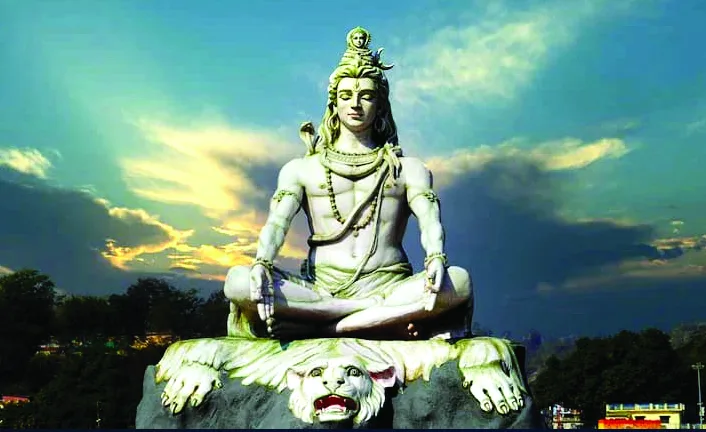
How can one experience oneness with self in a chaotic world? By going within. This is a day for self introspection. Meditation on this day is considered extremely important. If it is possible to fast, it would be best for the system to calm down and prepare itself for the concentration of tapas. But if it is not, one must have a light meal at night. As the midnight approaches, one is expected to take a bath, wear washed clothes (possibly white or light coloured cotton ones), light an oil lamp (diya) which is optional, choose a spot at home where you feel at peace or sit on an aasan in front of the Gods of home temple.
The simple continuous chanting of Om Namah Shivay or Shivoham while concentrating on breath would suffice. A time comes when the person becomes one with the Shiva-Shakti element within. The mind becomes calm and the introspection begins. The spiritual upliftment, feeling of becoming one with the destroyer of all worlds along with your own self, the energy generated and dispersed from the body strengthens the aura and connects with the self. This is purely a spiritual quest that a Hindu must go through periodically to cleanse himself of inner turmoils. It is believed that tapas on Mahashivratri helps to attain Moksha.
Also, when the pilgrims reach the Mela, they feel like spending there and buying things to take back home. Mela signifies this urge of taking something back for home, to show everyone that I had been to this place. This Maha Kumbh is also expected to circulate lakhs of crores of rupees which is a very good sign for economy. The Uttar Pradesh government along with the Central government is expected to work together with a progressive attitude for Bharat with this tremendous gain.
The whole Bharat is attracted towards Kumbh at the moment. Everybody is going towards Prayagraj to attend this grand auspicious festival. The usual pilgrims that attend Kumbh include ascetics (Sanyasis, Naga Sadhus, Aghoris), Saadhaks (Practitioners namely Kalpavasis, Bhakts), Shraddhalu (Devotees) bare foot, unmoved, unfaltering, without a care in the world for hardships, walking towards their goal, comprising of all sections of society. This is a usual sight on these occasions, but this time, it is different. Why? Because of the Paryataks (Tourists) that have arrived enmasse. There is intense curiosity as to what is everyone actually achieving by going there, why there is so much frenzy. The FOMO (fear of missing out) is top most reason among this category. The VIPs, politicians, pre planners, reel makers, influencers all are going to Kumbh. Thus, this Maha Kumbh is the national celebration of We the People of Bharat.